Fax:
+1(639)571 1665
-
en
-
-

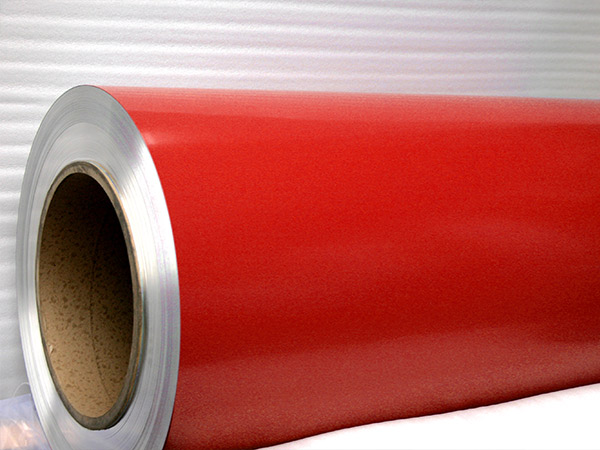
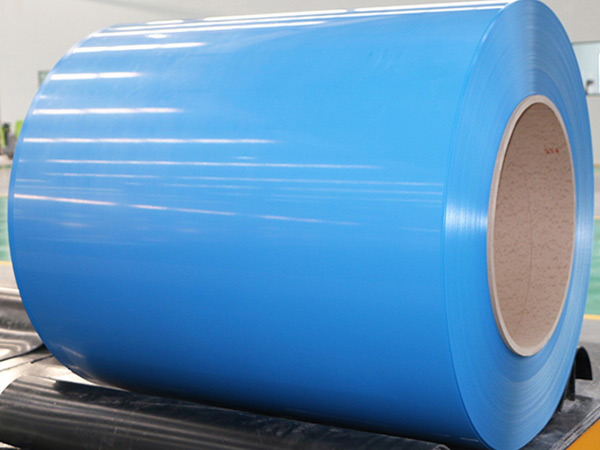
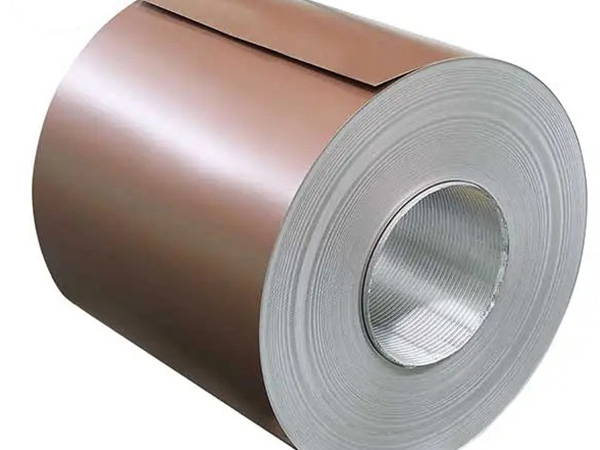
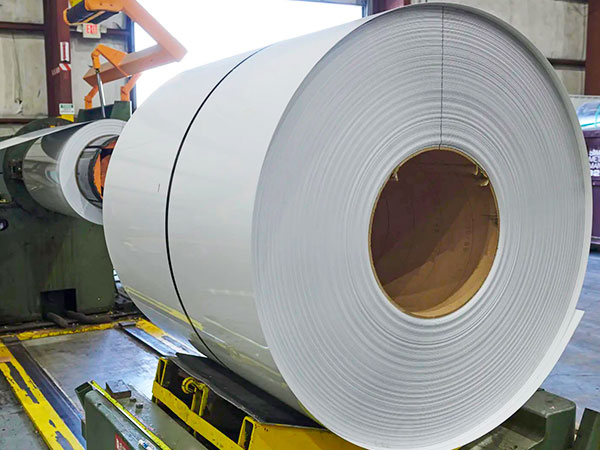
In the color coated aluminum coil product system, the combination of AA3003 aluminum and PVDF fluorocarbon coating is a classic standard for outdoor weatherproofing, proven through decades of engineering. The balanced formability and rust resistance of the 3003 aluminum alloy, combined with the ultra-long weather resistance and color retention of the PVDF coating, create an optimal solution that balances processing adaptability, environmental resistance, and cost-effectiveness throughout its entire lifecycle. 3003 PVDF coated aluminum coil is widely used in high-requirement outdoor applications such as building facades, roofing systems, outdoor signage, and municipal facilities.
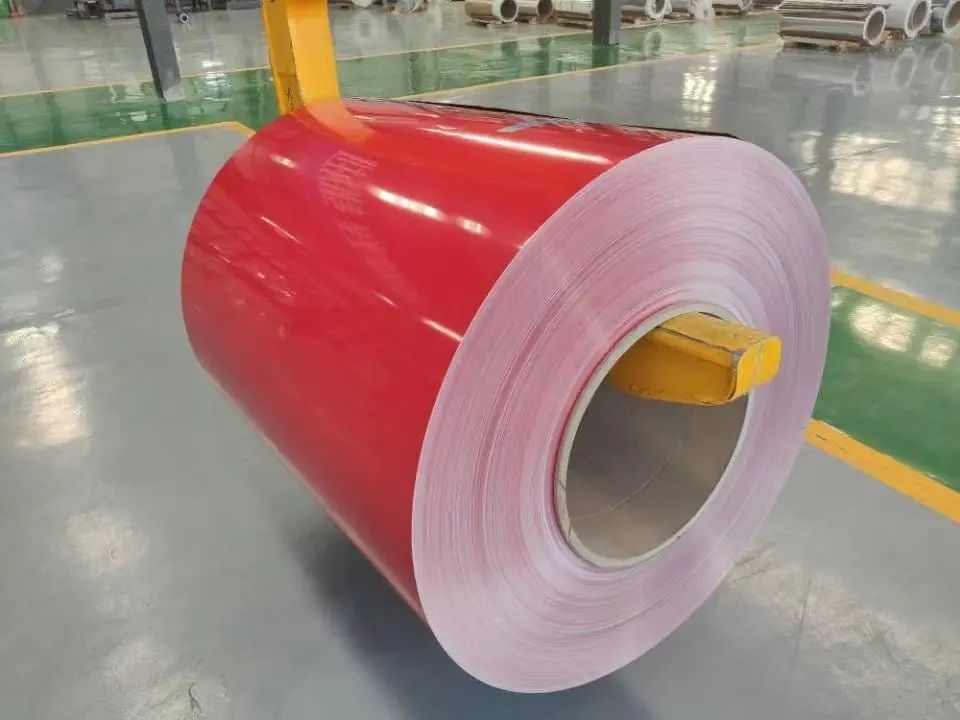
3003 aluminum-manganese alloy is an ideal substrate for PVDF coatings. As the core grade of the rust-resistant aluminum series, aluminum 3003 contains 1.0%–1.5% manganese, and is typically supplied in H14 condition. It has a tensile strength of 110–180 MPa, combining moderate structural strength with excellent cold-working plasticity. It can smoothly complete various forming processes such as bending, rolling, stamping, and deep drawing, exhibiting low springback and no cracks after processing, with a surface flatness ≤0.3mm/m. Compared to pure aluminum substrates, 3003 aluminum offers approximately 30% higher strength and stronger structural stability. Compared to high-strength alloys such as 5052, it has a lower forming threshold and more favorable procurement costs, making it a popular chemical alloy choice that balances performance and cost. The standard thickness of 3003 coated aluminum coil covers 0.3mm–1.5mm, and the width can be precisely cut as needed. Dimensional tolerances conform to ASTM B209 standards, allowing direct integration with automated continuous production lines.
The PVDF fluorocarbon coating gives the product superior long-lasting weather resistance compared to ordinary polyester. The coating of PVDF coated aluminum coil is prepared using a double-coat, double-bake process, with a dry film thickness of ≥40μm on the front side. The fluoropolymer content is no less than 70%, and its core performance indicators meet the AAMA 2605 industry standard. The PVDF molecular structure has extremely high C-F bond energy, effectively resisting molecular chain breakage under UV radiation. After 2000 hours of accelerated aging testing with a xenon lamp, the gloss retention rate remains ≥80%, and the color difference ΔE ≤2.0. Under normal outdoor service, it can achieve 15–20 years without significant fading, chalking, or cracking. Simultaneously, the coating has extremely strong chemical inertness, resisting corrosive media such as acid rain, industrial exhaust gases, and coastal salt spray. A 2000-hour neutral salt spray test showed no blistering, peeling, or rust, making it particularly suitable for harsh outdoor environments such as coastal industrial areas and high-altitude areas with strong UV radiation.
The deep compatibility between the substrate and the coating is crucial for stable product quality. The 3003 aluminum alloy surface undergoes chromating passivation pretreatment to form a dense conversion film, ensuring the PVDF coating adheres to the substrate to ASTM D3359 4B standard. The coating does not crack or peel after deep bending and stamping. Production utilizes a fully automated closed-loop color matching system, ensuring a batch-to-batch color difference ΔE ≤ 1.0 and seamless color transitions throughout the entire project. Customization of all RAL and Pantone color codes is supported, guaranteeing accurate color reproduction. The dense and smooth coating surface possesses excellent self-cleaning properties; dust and stains are easily washed away by rainwater, maintaining a clean appearance even after long-term outdoor use, significantly reducing the frequency and cost of high-altitude maintenance.
With its balanced and reliable overall performance, 3003 PVDF coated aluminum coils are widely used in building curtain walls, aluminum single-panel substrates, metal roofing, outdoor signage, municipal railings, photovoltaic frames, and other fields. Although the initial procurement cost is higher than that of ordinary polyester products, its lifespan is several times longer than that of ordinary coatings, resulting in a significant cost advantage over the entire life cycle. Furthermore, the aluminum material is 100% recyclable, aligning with the global trend of green building development, making it a reliable and durable choice for high-end outdoor projects.