Fax:
+1(639)571 1665
-
en
-
-


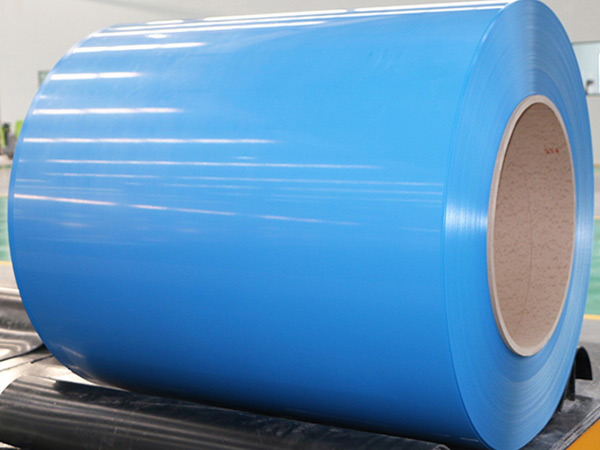
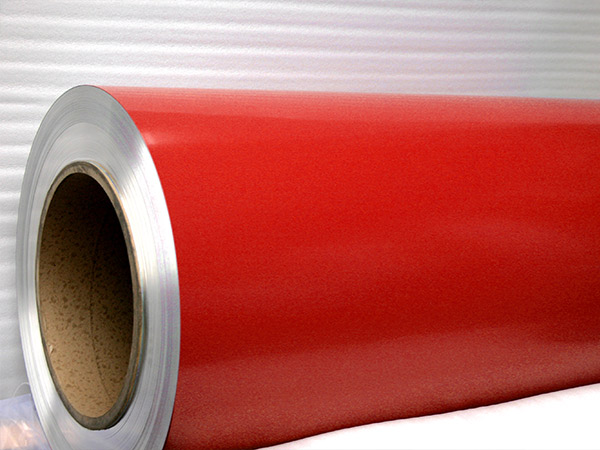
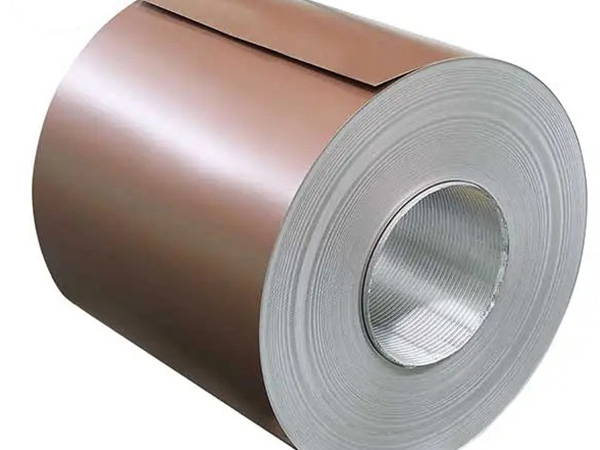
PVDF coated aluminum coils are positioned in the high-end weather-resistant market, with prices significantly higher than ordinary polyester coated aluminum coil products. Pricing follows the industry-standard model of aluminum ingot benchmark plus processing premium. PVDF coated aluminum coil prices are influenced by multiple factors, including substrate, specifications, and coating standards. As a source PVDF coated aluminium coil manufacturer, our quotations supporting both ton and pound settlement methods to meet the procurement habits of customers in different regions globally.
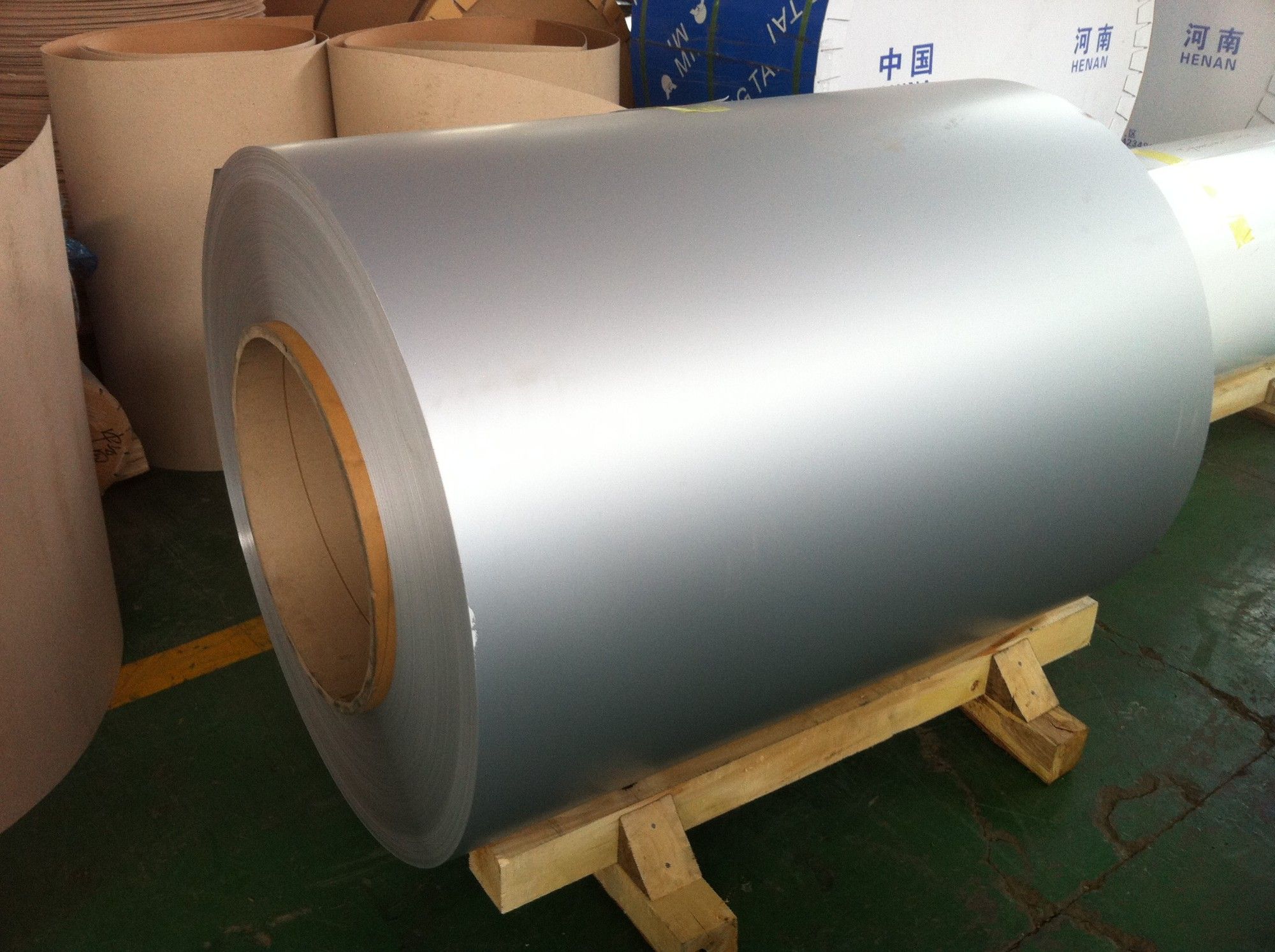
Currently, with LME aluminum ingots trading at $3500/ton, the mainstream FOB ex-factory price range for standard AA3003-H14 substrate, 0.4–0.6mm thickness, and standard color scheme PVDF coated aluminum coils is $5300–$5800/ton, equivalent to approximately $2.40–$2.63/pound. The price of AA5052 high-strength corrosion-resistant substrate PVDF coated aluminum coil products has increased by 8%–10%, to approximately US$5700–6300 per ton (US$2.59–2.86 per pound), suitable for highly corrosive coastal environments. Thinner specifications (thicker than 0.35mm) have seen a 10%–12% price increase per ton due to increased rolling and coating passes; wide coated aluminum coil products have also seen slight price adjustments due to production scheduling and yield factors.
Breakdown of the price structure: Aluminum ingot costs account for approximately 60%–65% of the total PVDF coated aluminium coil price, making it the core variable in price fluctuations. The processing premium is approximately US$1800–2500 per ton, covering the entire process from casting and cold rolling, surface pretreatment, passivation, primer coating, PVDF topcoat, high-temperature curing, and slitting finishing. PVDF fluorocarbon coating costs account for about 40% of the processing fee, and fluctuations in the price of fluoropolymer raw materials directly impact the finished product price. Coating thickness and back-side treatment standards also affect processing fees. Thicker coated products conforming to AAMA 2605 standards incur processing fees approximately 10% higher, corresponding to a longer weather resistance warranty period.
The core price influencing factors mainly fall into three categories.
First, the LME aluminum price trend serves as a benchmark; a fluctuation of $100/ton in aluminum prices results in a corresponding fluctuation of approximately $60-65/ton in the finished product price.
Second, order size and customization requirements. Full container bulk purchases typically enjoy a 5%-7% volume-based price discount, while small-batch custom color orders incur an additional color matching fee of $50-150/ton. Special functional coatings such as self-cleaning and heat-insulating modifications are priced separately.
Delivery time also affects price; readily available inventory has short lead times and stable prices, while expedited custom orders incur additional production scheduling costs.
Based on years of export supply experience, many customers initially focus only on the unit price when selecting products, neglecting coating standards and service life. While the unit price difference between ordinary polyester and PVDF is approximately 30%, PVDF boasts more than twice the outdoor weather resistance of polyester and lower overall lifespan maintenance costs. For projects in coastal and industrial areas, prioritizing PVDF is more economical. It is recommended that projects prioritize RAL standard standard colors, which can shorten delivery cycles and mitigate the risks associated with custom color matching premiums and batch color variations. For long-term bulk purchasing customers, signing a framework agreement to lock in processing fees and settling accounts based on aluminum price fluctuations can effectively hedge against raw material price volatility.
In general, the price difference in PVDF coated aluminum coils essentially reflects differences in quality standards and performance grades. Matching coating and substrate standards to needs, combined with bulk purchasing and reasonable inventory management, can achieve optimal procurement costs while ensuring project quality.