Fax:
+1(639)571 1665
-
en
-
-


Enclosed trailers are core vehicles for land freight, outdoor operations, and travel. The body, as the main protective structure of the vehicle, endures long-term exposure to sunlight and rain, road surface impacts from gravel, wear and tear during loading and unloading, and fatigue from long-distance travel. The material properties directly determine the vehicle's lifespan and maintenance costs. Traditional steel bodies are heavy and prone to rust, requiring regular rust removal and repainting. Ordinary aluminum sheets offer insufficient surface protection, easily resulting in dents and paint wear, making them unsuitable for complex road conditions and the demanding requirements of all-weather outdoor parking. Enclosed trailer aluminum sheets, using a high-strength aluminum alloy base material combined with a customized protective system, address the durability issues of trailer bodies at their source, providing the global trailer manufacturing industry with a lightweight, long-life body material solution.
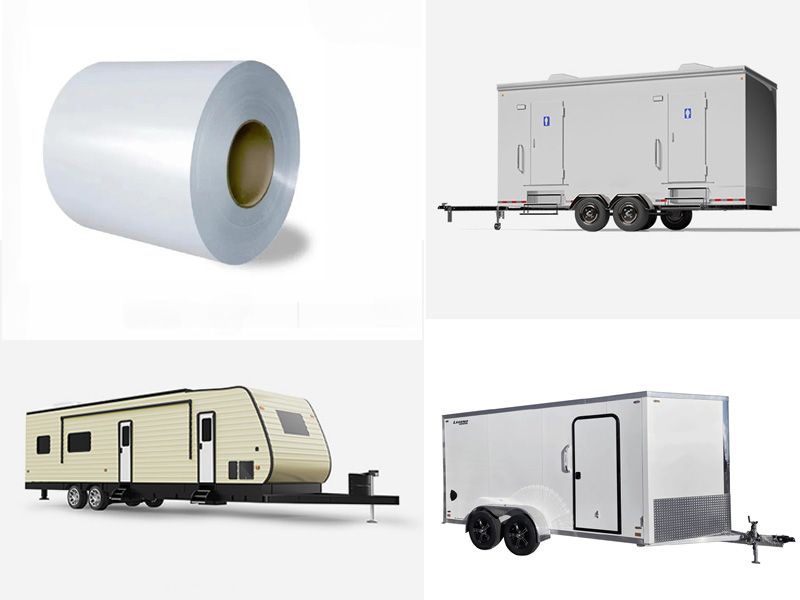
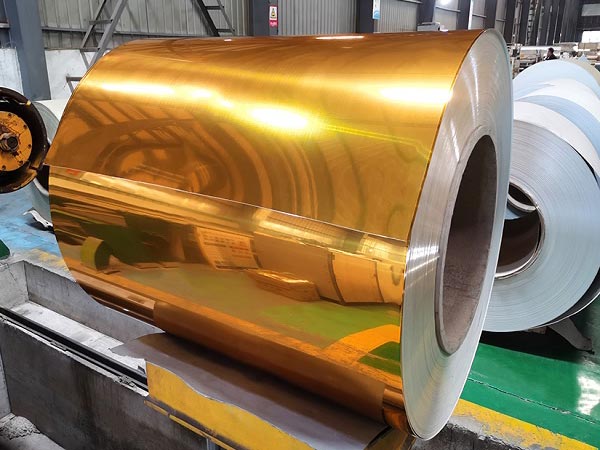
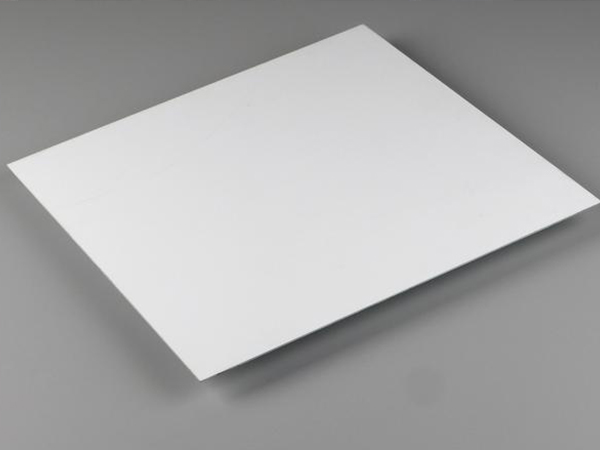
The base material of enclosed trailer aluminum sheet uses industry-standard AA3003-H14 and AA5052-H32 aluminum alloys, with standard thicknesses ranging from 0.6mm to 1.5mm. It is available in both roll and sheet metal forms, suitable for processing all parts of the trailer's side panels, roof, doors, and front and rear bulkheads. The AA3003 alloy offers balanced overall performance, excellent formability and corrosion resistance, and outstanding cost-effectiveness, making it suitable for mass production of general-purpose freight trailers and utility trailers. The AA5052 magnesium-aluminum alloy boasts higher strength and over 30% improved dent and impact resistance, making it more suitable for heavy-duty equipment trailers, off-road recreational trailers, and other high-load, complex road conditions. Both base materials are compatible with mainstream processing techniques such as roll forming, bending, riveting, and argon arc welding. The sheet flatness is ≤0.5mm/m, resulting in tight seams and stable waterproof and dustproof performance after forming.
Lightweight design is the core value advantage of painted trailer aluminum sheets. Compared to galvanized steel plates of the same structural strength, aluminum body panels can reduce weight by over 60%, significantly lowering the trailer's curb weight and effectively increasing actual cargo capacity within compliant gross weight limits. Simultaneously, it reduces the load on the towing vehicle, lowering fuel consumption on long journeys and reducing operating costs. The lighter body also reduces the risk of inertia during high-speed towing, improving driving stability and braking safety, making it particularly suitable for long-distance highway transportation.
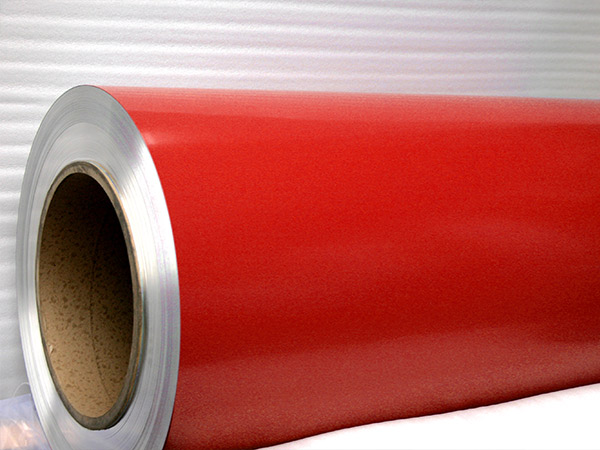
For complex outdoor working conditions, the painted enclosed trailer aluminum sheet employs a double-sided customized protective coating system. The front uses a high-weather-resistant modified polyester (HDP) or PVDF fluorocarbon coating with a dry film thickness of 25–40μm. The formula includes wear-resistant and toughening components, achieving a pencil hardness of 2H, resisting the impact of gravel splashed from the road surface during high-speed driving and preventing paint peeling and exposure to the substrate. Its outdoor weather resistance lifespan can reach 8–15 years, resisting fading and chalking even after long-term exposure to sun and rain. The back is equipped with an epoxy anti-corrosion primer, isolating the cargo inside the body from friction and moisture erosion, preventing internal oxidation and corrosion. The coating adhesion has passed the ASTM D3359 4B cross-cut test. After bending and stamping, the paint film does not crack or peel, perfectly adapting to irregular structures such as body corners and door frames.
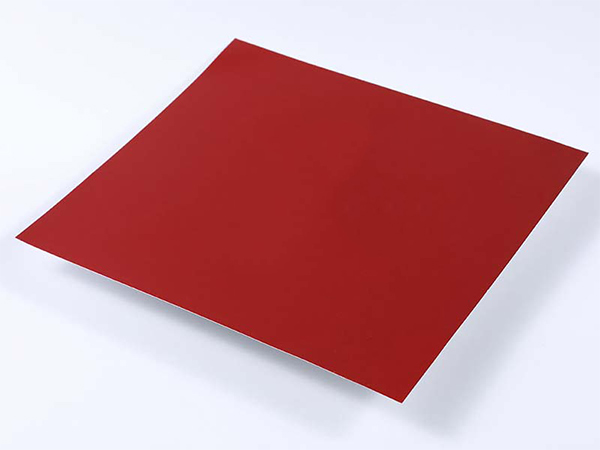
Painted enclosed trailer aluminum sheet is available in mainstream trailer colors such as white, dark gray, and black, and supports customization of all RAL color codes to meet the appearance and marking requirements of different brands. The material is rust-free for life, requiring no regular anti-corrosion maintenance. The total life-cycle maintenance cost is more than 70% lower than that of steel bodies, and it is 100% recyclable, aligning with global green manufacturing trends and widely adaptable to various enclosed trailer manufacturing needs for freight, recreational, emergency, and engineering applications.