Fax:
+1(639)571 1665
-
en
-
-


In global building decoration and exterior wall finishing projects, the procurement cost of aluminum trim coils directly impacts project budgets and total lifecycle investment. Unlike the single price of ordinary aluminum materials, the trim coils price is determined by the aluminum ingot benchmark, alloy selection, coating system, thickness specifications, and processing precision, and fluctuates in real-time with LME (London Metal Exchange) aluminum prices. For global buyers, a clear understanding of the price conversion logic and pricing structure is a prerequisite for accurately calculating project costs and mitigating price fluctuation risks.
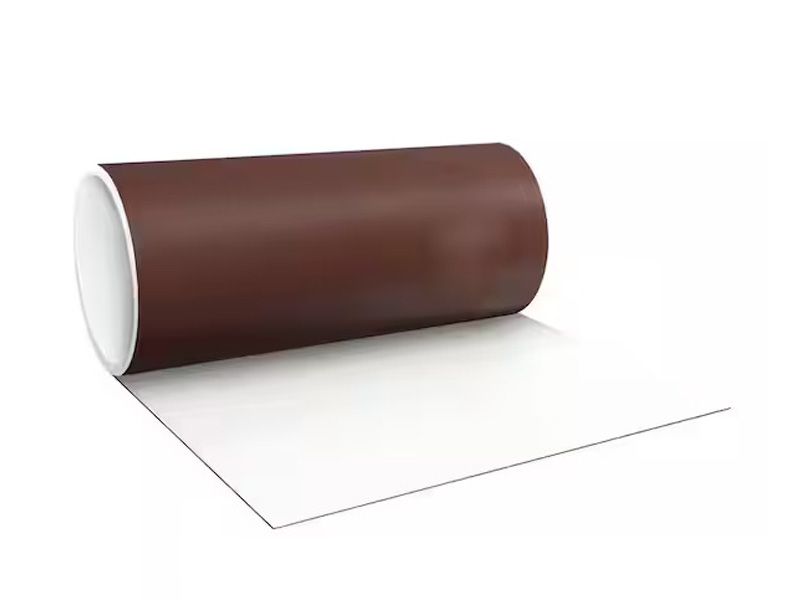
From a benchmark conversion perspective, with the current LME aluminum ingot price at approximately $3,500/ton, the global market FOB price of aluminum trim coils is generally in the range of $4,300–$5,200/ton, equivalent to $4.3–$5.2/kg, or approximately $1.95–$2.36/pound. The entry-level PE polyester coating, AA3003 substrate, and standard 0.4mm thickness general-purpose coatings are priced between $4,300 and $4,600 per ton (US$4.3–4.6/kg; US$1.95–2.09/lb). HDP high-weather-resistant coatings are priced about 8% higher, at approximately $4,700–4,900 per ton. High-end engineering coatings with PVDF fluorocarbon coating and AA5052 substrate, due to significantly increased coating costs and process complexity, can reach $4,900–5,200 per ton (US$4.9–5.2/kg; US$2.22–2.36/lb), meeting the weather resistance warranty requirements of over 15 years in highly corrosive coastal areas.
Analyzing the pricing structure, aluminum ingot costs account for approximately 68%–78% of the finished product price, making it the core variable in price fluctuations. Aluminum trim coil price generally adopts an industry model of "LME aluminum ingot price + processing premium." The processing fee includes the entire process from casting and rolling to cold rolling, slitting, pretreatment, coating, and curing, typically ranging from $800 to $1,700 per ton, fluctuating depending on the coating grade and thickness. Thinner coils require more processing passes per unit area, resulting in a higher price per ton—for example, a 0.25mm thin coil, under the same coating conditions, will cost 10%–15% more per ton than a 0.5mm coil. Additional requirements such as custom width slitting, special color matching, and anti-corrosion primer on the back can also add 5%–10% to the price.
The core factors influencing aluminum trim coil price fluctuations are mainly threefold.
Firstly, the LME aluminum price trend has been a significant factor. Since 2025, global energy costs and supply-side disruptions have driven the central aluminum price upward, directly increasing the procurement cost of trim coils.
Secondly, the price of coating raw materials has a significant impact. Changes in the supply and demand of chemical raw materials such as PVDF fluoropolymers and high-end polyesters directly affect coating premiums.
Thirdly, order size and delivery cycle also play a role. Bulk purchases of full containers typically offer 5%–8% discounts, while urgent orders and small-batch custom color orders require additional expedited fees.
Furthermore, logistics costs and tariff policies in different production locations also affect CIF prices, requiring buyers to consider FOB prices along with shipping and customs clearance costs for comprehensive calculations.
For global engineering procurement and distribution customers, optimizing trim coil procurement costs requires balancing short-term price considerations with long-term value. Prioritizing mainstream, commonly used specifications and colors (such as RAL9003 white and RAL8017 brown, common architectural colors) can avoid customization premiums. The coating system should be selected rationally based on the project's climate and warranty period; for ordinary inland scenarios, PE coating is sufficient, avoiding excessive PVDF and wasted costs. Establishing long-term partnerships with manufacturers possessing full-process production capacity, through bulk pricing and rolling delivery, can effectively hedge against short-term aluminum price fluctuations. In summary, choosing a stable, source-source aluminum trim coil supplier, although slightly more expensive per unit, reduces subsequent renovation and maintenance costs, making it more cost-effective from a life-cycle perspective.